Aluminum Casting Techniques: a Deep Study Materials and Techniques for Success
Aluminum casting techniques play an essential role in production. Numerous techniques exist, each fit to various applications and needs. Sand casting is preferred for bigger elements, while die casting is recognized for its precision in high-volume manufacturing. Investment casting uses thorough designs with premium surfaces. Recognizing these differences can considerably influence task outcomes. Aluminum Casting Company. However, selecting the suitable method is not always uncomplicated, leading to essential considerations that should be discovered additionally
Comprehending Aluminum Casting: An Overview
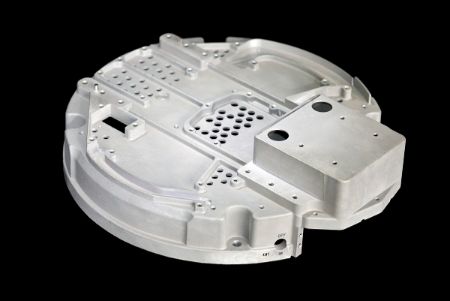
Aluminum casting is a vital production procedure used across different sectors to create detailed components with high precision. This technique includes pouring molten aluminum into a mold, permitting it to take the shape and solidify of the wanted component. The adaptability of aluminum, incorporated with its light-weight and corrosion-resistant properties, makes it an excellent choice for applications in automotive, aerospace, and durable goods.
Various casting strategies exist, each matched to specific needs and task scales. Variables such as mold products, cooling prices, and the intricacy of the design play a significant duty in figuring out one of the most efficient method. In addition, the properties of the aluminum alloy utilized can affect the end product's resilience, surface area, and strength finish.
Understanding the basics of aluminum casting allows manufacturers to enhance production processes, lower waste, and warranty top notch outcome, which is necessary in today's affordable market.
Sand Casting: Applications and strategies
Amongst the numerous strategies made use of in aluminum casting, sand casting sticks out as a result of its versatility and cost-effectiveness. This technique includes creating a mold and mildew from a mix of sand and binder, which can be formed to suit complicated designs. As soon as the mold is ready, liquified aluminum is put into it, permitting intricate attributes and details to be caught.
Sand casting is especially beneficial for creating big parts and low-volume production runs, making it ideal for auto parts, machinery parts, and imaginative sculptures. The technique likewise suits a range of aluminum alloys, boosting its flexibility in various applications. In addition, the use of sand as a mold material enables simple reclamation and reuse, adding to environmentally lasting practices. Nevertheless, attaining high dimensional precision can provide challenges, demanding competent workmanship and cautious control of the casting process. Overall, sand casting continues to be a basic method in aluminum factories worldwide.
Die Casting: Precision and Efficiency
Die casting is a highly effective method of generating aluminum components with phenomenal dimensional precision and surface area coating. This procedure includes compeling liquified aluminum right into a precisely machined mold under high stress, which permits complex layouts and very little material waste. The rapid air conditioning of the alloy within the mold causes a solidified component that often requires little to no additional machining.
Die casting is particularly helpful for high-volume manufacturing runs, where consistency and speed are vital. It supports the production of intricate geometries, making it appropriate for various applications, consisting of vehicle, aerospace, and consumer products.
Moreover, the process can accommodate numerous aluminum alloys, boosting click here the mechanical buildings of the completed items. With its ability to generate light-weight yet resilient components, die casting stands apart as a recommended method in modern-day production, delivering both precision and effectiveness in aluminum casting.
Investment Casting: Information and Intricacy
Financial investment casting, also referred to as lost-wax casting, is a precise and functional method for creating complicated aluminum parts. This strategy is especially valued for its ability to develop detailed geometries and fine details that are frequently unattainable through other casting techniques. The process starts with a wax pattern, which is covered in a ceramic covering. As soon as the covering hardens, the wax is disappeared, leaving a thorough mold for aluminum pouring.
The benefits of investment casting consist of exceptional surface finish and dimensional precision, lessening the requirement for considerable machining afterward. It is especially advantageous for tiny to tool production runs where precision is crucial. This approach accommodates various aluminum alloys, enhancing its applicability throughout markets. Aluminum Foundry. Inevitably, financial investment casting attracts attention for its capacity to deliver both visual appeal and practical efficiency in aluminum parts, making it a preferred choice for designers and engineers seeking facility solutions

Choosing the Right Method for Your Project
How can one identify the most appropriate aluminum casting method for a certain task? The option process depends upon numerous crucial factors, including the complexity of the style, the wanted surface area finish, and manufacturing volume demands. For complex layouts, financial investment casting commonly confirms advantageous as a result of its capacity to catch great details. On the other hand, sand casting might be favored for larger, less complicated parts, offering cost-efficiency and versatility in production.
Furthermore, factors to consider relating to resistances and mechanical residential properties of the last product are crucial. For high-performance components, die casting might be the most effective choice, as it gives premium dimensional precision and surface area top quality. In addition, comprehending the material residential or commercial properties and compatibility with the picked technique is essential for making sure the success of the job. Inevitably, a thorough examination of these factors will lead the decision-making process, resulting in the most effective aluminum casting method for the specific project handy.
Frequently Asked Inquiries
What Is the Ecological Effect of Aluminum Casting Methods?
How Can I Improve the Surface Finish of Cast Aluminum?
To improve the surface coating of actors aluminum, one can utilize methods such as sandblasting, brightening, and applying finishes. Correct mold and mildew layout and temperature control additionally considerably enhance the final surface top quality of the actors product.
What Safety Preventative Measures Should Be Taken During Aluminum Casting?
During aluminum casting, necessary security precautions consist of wearing safety gear, making certain appropriate ventilation, making use of fireproof products, preserving a safe distance from molten metal, and adhering to devices safety and security methods to avoid injuries and accidents.
How Do I Troubleshoot Typical Casting Flaws?
To fix usual casting flaws, one ought to examine the mold for damages, evaluate the alloy composition, check pouring temperature, readjust cooling prices, and guarantee proper venting to minimize air entrapment and enhance casting high quality.
What Are the Prices Connected With Different Aluminum Casting Techniques?
The expenses connected with different aluminum casting techniques differ significantly, affected by aspects such as product expenditures, production, devices, and labor range. Budget plan factors to consider are important for picking one of the most suitable casting technique for certain projects.
Sand casting is preferred for larger components, while die casting is understood for its precision in high-volume manufacturing. Amongst the different strategies used in aluminum casting, sand casting stands out due to its adaptability and cost-effectiveness. Die casting is a very effective technique of producing aluminum elements with remarkable dimensional precision and surface area coating. Financial investment casting, also recognized as lost-wax casting, is a versatile and precise approach for creating intricate aluminum parts. Exactly how can one figure out the most ideal aluminum casting technique for a certain project?